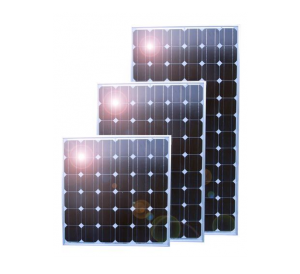
Warranties and Test for CFR colored Modules
It is crucial that the solar modules are of the highest quality, as they may need to be placed on a roof for 40-50 years in all weather conditions. Danish Solar Energy has been manufacturing solar modules in Denmark for over 30 years. The modules are designed to withstand strong climatic influences for many years.
Since our modules are tested to the highest standards, we can offer long-term warranties. We have built a solid foundation over many years in the industry, and we use this experience to provide the best advice to our customers.
Warranty for Danish Solar Energy CFR solar modules:
CFR modules are manufactured in accordance with the guidelines for IEC61215 and IEC EN730:
Energy Production Guarantee: Minimum 90% output after 10 years and minimum 80% after 25 years.
Product Warranty: 12 years warranty against defects and/or defects due to the manufacturing process or materials used (including cracks in the front glass surface caused by foreign objects inside the glass).
This warranty excludes cracks in the front glass surface due to external impacts from flying objects, external stress or transport damage, as well as changes in color tones over time.
For batteries and inverters, the manufacturer’s warranties apply.

Determination of Roof Module Resistance to Rain under Pulsating Air Pressure
Material:
A sloped roof model consisting of overlapping solar panels with a roof pitch of 45 degrees.
Method:
EN 12865:2001 – Hygrothermal Performance of Building Components and Building Parts – Determination of Roof Module Resistance to Drizzle Rain under Pulsating Air Pressure.
The test, conducted by the Danish Technological Institute, showed that the roof modules are approved up to 1.2 kPa, method A, with no water penetration.

Fire Classification. Classification Report for External Fire Performance:
Classification according to the procedure in EN 13501-5:2016
Test Results Test Conditions: Loose-laid, Roof pitch: 30°
Substrate: Standard substrate of expanded polystyrene (EPS) with a measured density of 16.3 kg/m³.
The classification is prepared according to EN 13501-5:2016.
Classified as: BROOF(t2).
Scope of Application The classification is valid under the following conditions:
Any combustible or non-combustible substrate with a density of at least 12.5 kg/m³.
Building Integrated Color Photovoltaic Modules (BIPV)
Replacement
Building Integrated Color Photovoltaic Modules (BIPV) are designed for longevity and typically do not require replacement even after 25–30 years of use. While performance may gradually decline—possibly to around 80% of their original output after 25 years—the modules can still generate electricity efficiently.
Laminated glass modules, which also serve as climate shields, can have a lifespan exceeding 50 years. Even at reduced performance levels, they continue to contribute meaningfully to energy generation.Maintenance Guidelines
Cleaning the Modules
To maintain optimal efficiency, clean the BIPV modules every second time your building’s ordinary windows are cleaned. Dust and dirt can significantly reduce energy output.
Monitor performance regularly via the inverter display or web interface to detect any power loss.
Inspecting Support Structures
Periodically inspect all metal support structures for signs of corrosion. If corrosion is found, apply appropriate anti-corrosion treatments such as protective paint. Also, ensure that all grounding systems are intact and functional.
Monitoring System Performance
Use the inverter display or web interface to check:
• Power output
• Optical and electrical performance
• Real-time system health indicators
Regular monitoring helps ensure your modules are functioning at peak performance.
Routine Visual Inspections
During regular maintenance, inspect the following:
• Screws and structural fastenings (ensure nothing is loose)
• Encapsulation and module junctions
• Signs of sealant degradation or water ingress
• Any visible detachment or corrosion
If any issues are detected, arrange for immediate repair or replacement. Most electrical faults will be flagged on the inverter or monitoring interface.
Need Help?
For system errors or troubleshooting, please refer to your inverter’s user manual.
Still need assistance? Contact us — our support team is ready to help.